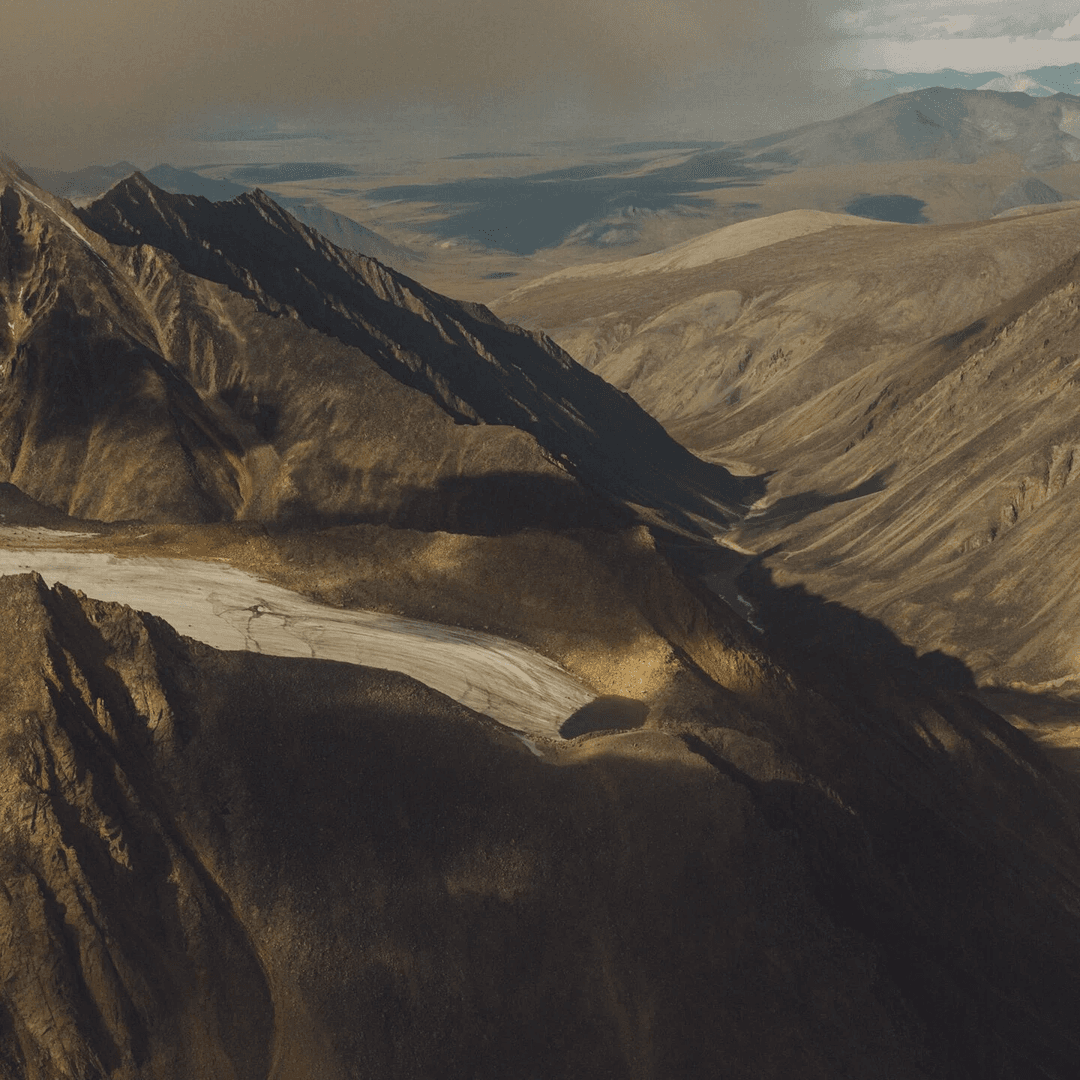


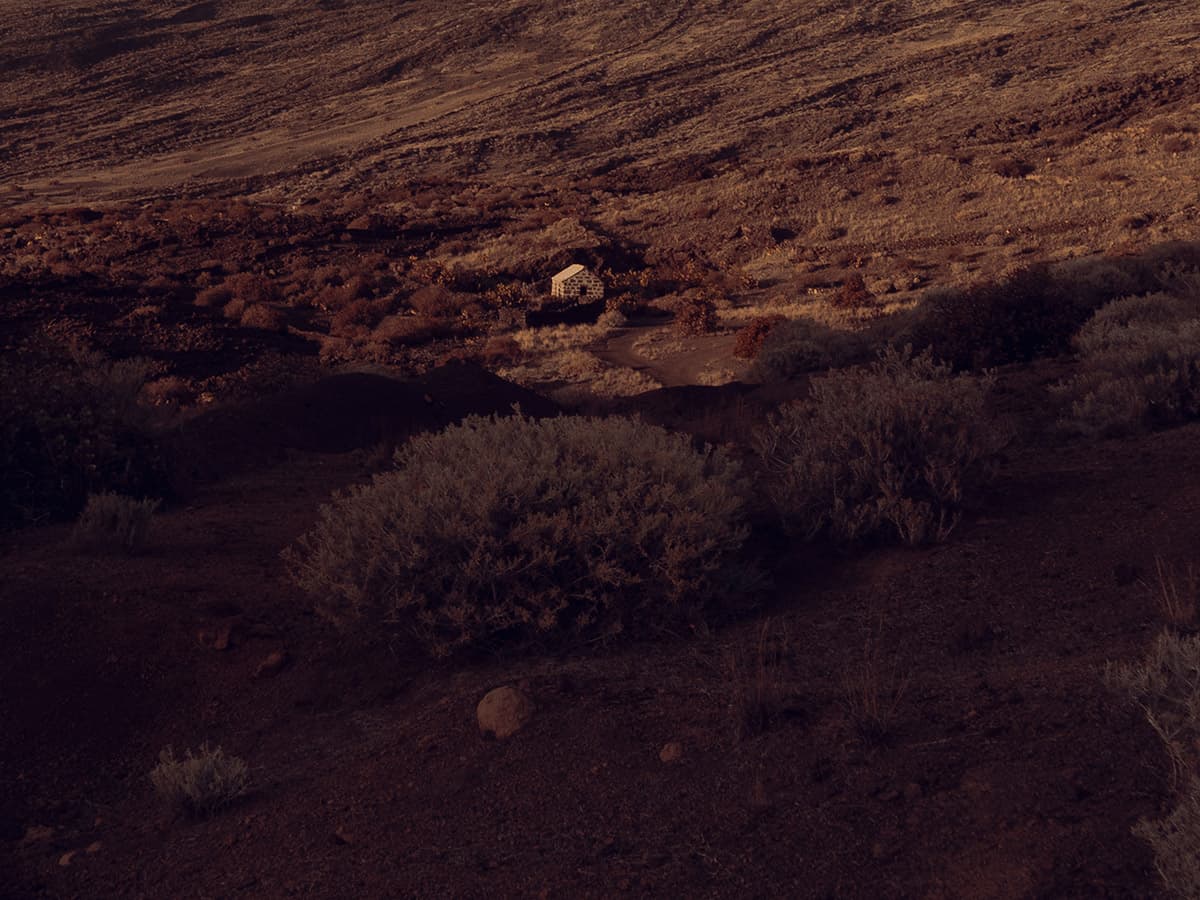
Starling collected soil and rock samples from sites across Brandenburg, each chosen for its geological significance — glacial moraines, riverbeds, quarries, and eroded hillsides. These materials were arranged in the gallery in formations that echoed their original geological contexts but were compressed and accelerated.
A series of slow-drip water systems caused the soil structures to erode and shift over the course of the exhibition, so that the installation was never the same twice. Visitors returning on different days encountered a fundamentally changed landscape, experiencing in weeks what normally occurs over centuries.
The work was accompanied by a series of geological drawings — precise, almost scientific renderings of rock formations and soil profiles — that served as both artistic works and pedagogical tools, helping visitors understand the natural processes being referenced.
Starling's project received particular attention from the environmental art community for its ability to communicate geological time without resorting to didacticism, instead creating a direct sensory experience of the earth's constant, imperceptible movement.